
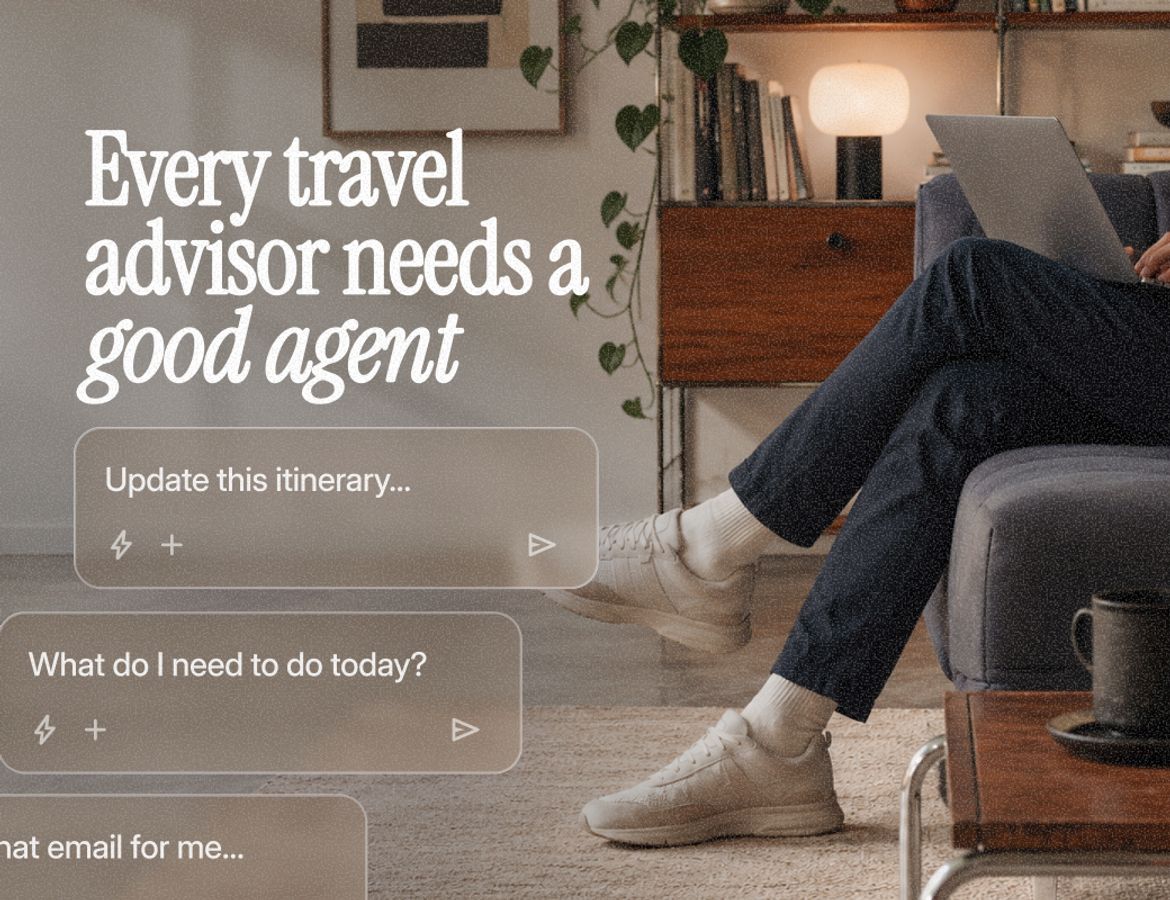

Tern will preview agentic AI at ASTA and launch fully on June 10th. Register for the launch event today.
In 2018, the American Society of Travel Agents rebranded. They changed one word: "agents" became "advisors." The American Society of Travel Advisors.
It was the right call. But it left a problem unresolved.
What’s the problem with the word agent, anyway?
If you grew up watching The Amazing Race, you've seen the agent version of this industry in its purest form. Contestants find out they're racing to, say, Athens. They sprint into a travel agency. They slide a piece of paper across the counter: "We need the fastest flight to get us there." The agent types furiously, presumably into a GDS, and rattles off options. The racers grab their tickets and sprint out the door. No relationship. No context. No follow-up.
That's a transactional service. An administrative service. It has its place. But it's also the kind of service that's easy to disrupt. The OTAs proved it. If the only value you provide is booking, someone will build a website that does it faster and cheaper.
What carrot cake and advisors have in common
That's why the ASTA rebrand mattered. An advisor isn't doing that. An advisor is doing something completely different.
My parents have a travel advisor named Brianne. I reached out to her before a trip my parents were taking to Greece. My mom's birthday was happening mid-trip, and I wanted to do something special.
Her favorite cake is carrot cake. My dad is allergic to carrots, so she never gets it at home. I tried to find a bakery in Greece on my own. Everything was in Greek. I wasn't even sure carrot cake existed there.
Brianne had contacts through the DMC network she'd built over years in the business. She made some calls. When my mom walked into her hotel room on her birthday, there was a carrot cake waiting for her.
That cake became a moment. A group of strangers my parents had just met on the tour gathered around, toasted me on video, and cheered a serendipitous birthday they'd all now share. I got a video of 15 people I've never met, celebrating my mom, because Brianne made a call I couldn't.
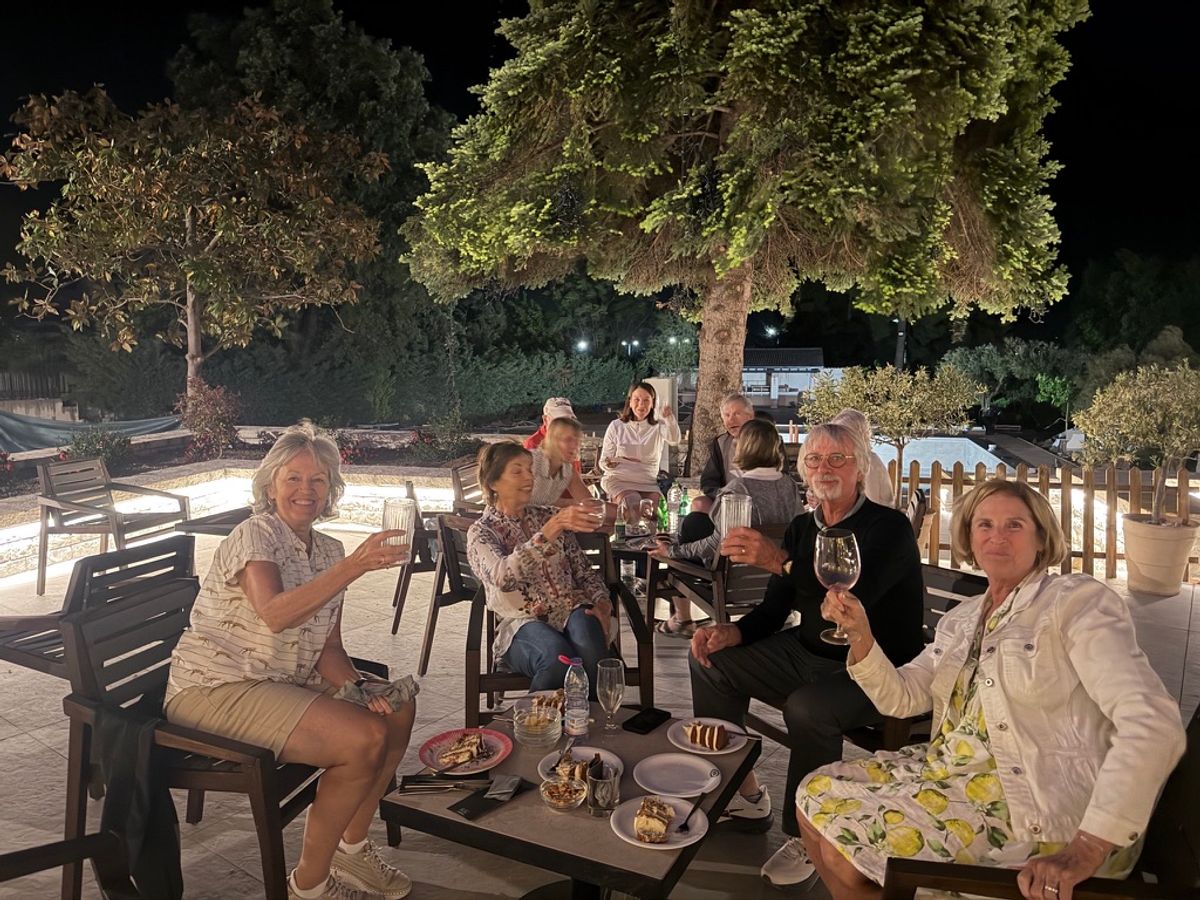
That's what an advisor does. They craft experiences that are impossible for clients to create on their own. They know things. They have relationships. They anticipate needs before the client articulates them.
The rebrand was right. But here's what the American Society of Travel Advisors couldn't fix: the agent work didn't go away.
The ASTA rebrand was aspirational
Someone posted in our Facebook group recently: "It took me 3 hours to build that itinerary, and my client still emailed me questions that are already in it."
Every advisor knows that feeling. The admin is relentless. Commission tracking. Itinerary builds. Supplier confirmations. Client emails that ask the same questions the documents already answer. Hours every week that don't go to advising. They go to administering.
This is the gap between what ASTA intended and what actually exists for most advisors. The title changed. The workload didn't.
I want to tell you about 2 advisors who changed the way I think about what's possible in this industry.
Donovan came to our first-ever user conference aboard the Virgin Voyages Brilliant Lady. He was relatively new to the industry, active in our community, excited about the business he was trying to build. We saw him again at the Las Vegas Travel Agent Forum a few months later. He sent a note afterward that I've read more than once:
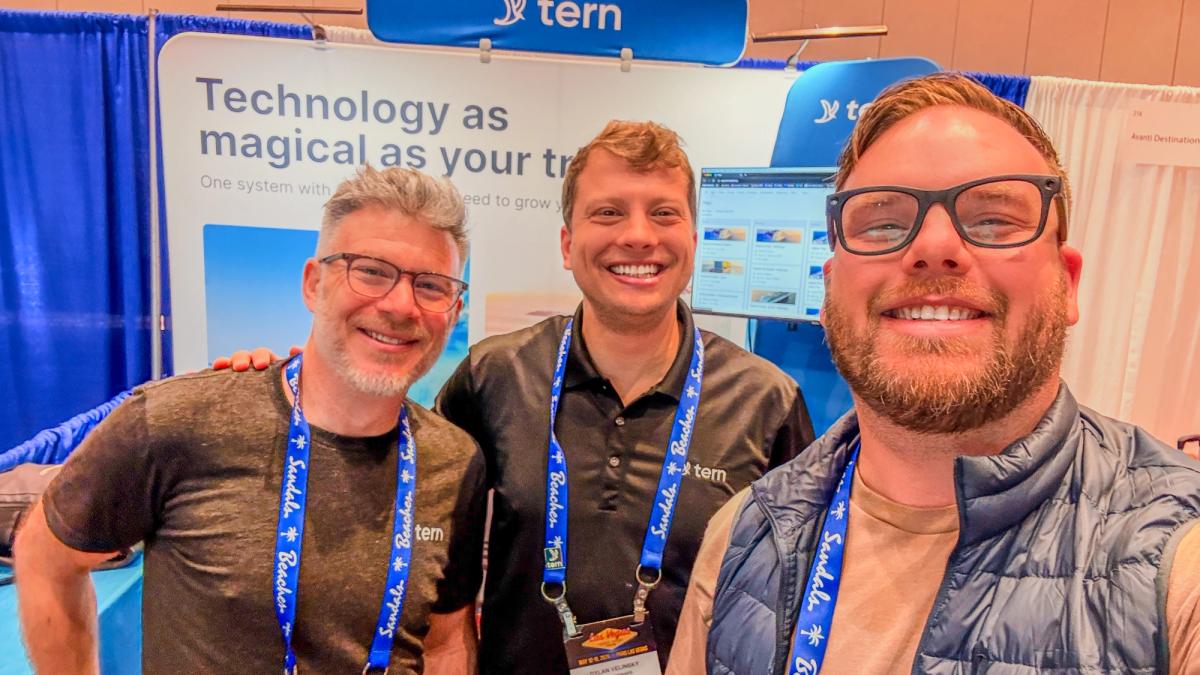
"Tern has helped my wife and I turn our business into our full-time career supporting a family of five."
Lauren runs Modern Travel in Canada. Before she found Tern, she was stuck at an agency that felt broken. She was fighting for her own commissions. She'd always wanted to go out on her own, but the back-office burden felt paralyzing. She told us the platform gave her the confidence to stop waiting. Today, Modern Travel is thriving. When she shows the platform to advisors she's recruiting, they're floored. They've never seen anything like it.

Donovan and Lauren didn't succeed because the admin got a little more manageable. They succeeded because the admin stopped being a reason not to try. When you remove that obstacle, people take the leap. When they take the leap, they build something real.
Giving every travel advisor a travel agent.
At the Las Vegas Travel Agent Forum, we showed what we're calling Tern's agentic AI. The idea is simple: for the first time, every travel advisor can have their own agent.
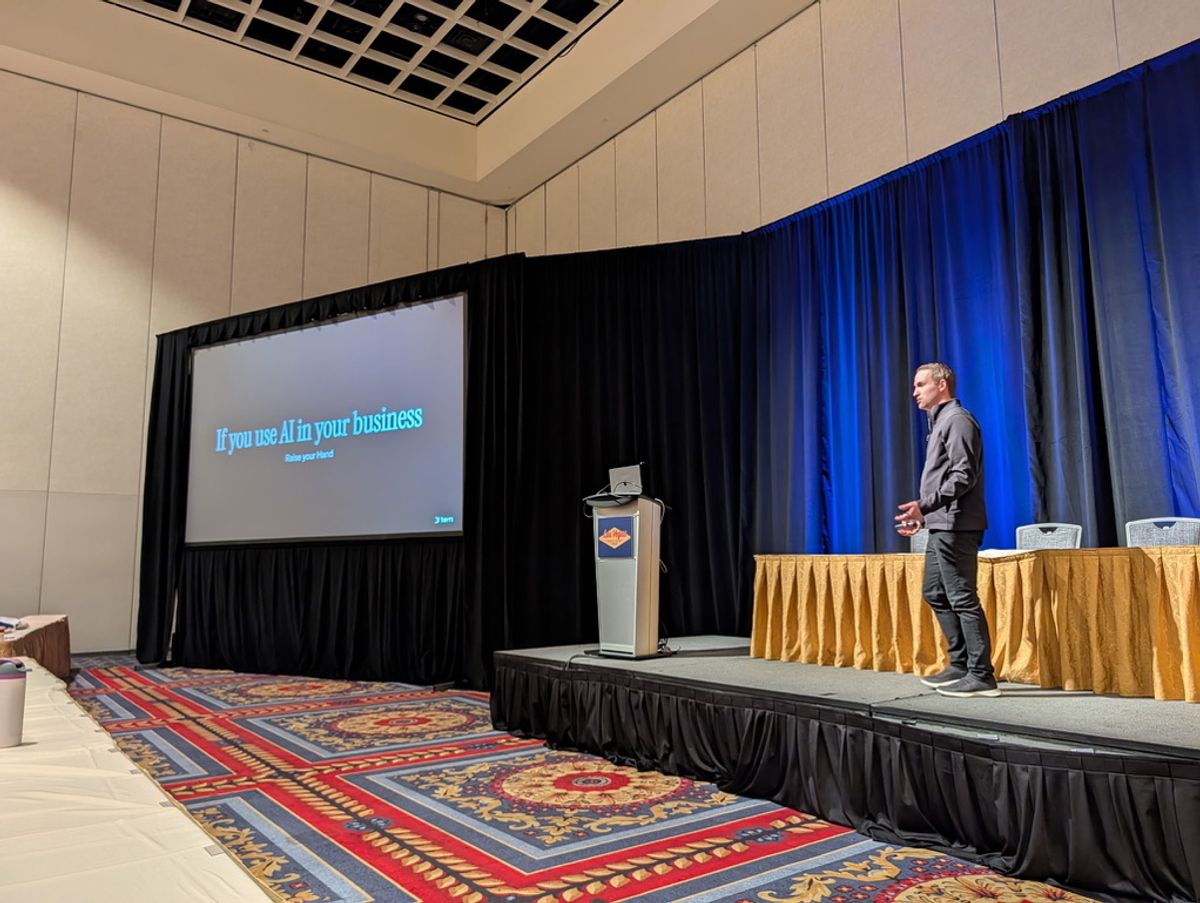
Not a chatbot. Not a FAQ tool. An agent that actually takes on the work. Populating port photos. Pulling from the cruise library. Drafting itineraries. Triaging inbound client emails. The work that used to eat 3 hours now takes minutes. The work that kept advisors at their desks until midnight gets done while they're with clients.
We'll do a full launch on June 10th. We'll preview it at the ASTA conference in the next few weeks.
The future of travel is in advising
There's a reason people use financial advisors even though they can open a Schwab account and trade stocks themselves. It's not because they can't figure it out. It's because they want advice. They want someone who knows their situation, their goals, their risk tolerance. They want a person, not a platform.
Travel is the same. The biggest discretionary purchase most families make each year deserves that kind of attention.
The advisors who will win in the next decade are the ones who are free to actually advise. Free to have the conversation that ends with "I know you saw that cruise line on TV, but based on everything I know about you, this one's going to be a much better fit." Free to call the DMC contact in Athens and arrange the carrot cake.
The agent work held the industry back. Not because agents weren't good at it. Because agents are capable of so much more.
Every travel advisor needs a travel agent. For the first time, they can have one.
Tern will preview agentic AI at ASTA and launch fully on June 10th. If you're an advisor who wants to be first: https://www.tern.travel/events/meet-your-new-assistant-a-tern-product-launch-webinar